Publications

  • Two workers in safety helmets interact with a kiosk in a warehouse setting.

    Rethinking an Ecosystem Assessment Framework for Climate Startups in Emerging Markets and Developing Economies

    This paper develops an analytical framework for assessing the ecosystems in which climate ventures form and grow in emerging markets and developing economies (EMDEs). It identifies six ecosystem conditions that shape how all new ventures develop, survive, and scale, and applies those conditions against the distinct requirements and challenges of climate ventures in EMDEs. The paper also discusses how different policy and financial mechanisms like carbon pricing and green industrial policy affect these venture ecosystems. This is the first in a two-part series, the second of which will release in early 2027.

    Working Paper November 9, 2026
  • Coal mining.

    Unloading Coal Exposure: Where Are We and What Can Chinese Banks Do?

    This paper discusses the progress, practices, and action framework employed by banks to reduce and eliminate coal exposure. It introduces a three-step framework designed to guide banks in establishing procedures that can also be applied to other fossil fuels. The paper recommends that Chinese banks strategically manage global coal relationships and collaborate internationally. By detailed planning and sustained efforts, Chinese banks can gain a competitive edge from coal exit.

    Working Paper December 31, 2024
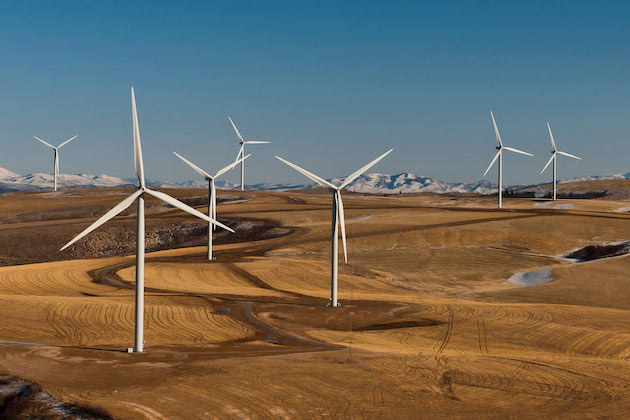
  • Wind turbines with fields and clouds.

    Technical Potential Assessment of Renewable Energy Projects Developed in China’s Overseas Industrial Parks

    This report establishes a database of China’s overseas industrial parks (COIPD), covering 159 China’s overseas industrial parks(hereinafter referred to as “COIPs”) as of 2022. It scientifically evaluates the market size and technical potential of applying different renewable energy solutions including rooftop PV, agrivoltaics and wind in these industrial parks.

    Report November 24, 2024
  • Misty rainforest canopy.

    Methodology Underpinning the State of Climate Action Series: 2024 Update

    This technical note describes the State of Climate Action series’ methodology for identifying sectors that must transform, translating these transformations into global mitigation targets primarily for 2030, 2035 and 2050 and selecting indicators with datasets to monitor annual change. It also outlines the report’s approach for assessing progress made toward near-term targets and comparing trends over time.

    Technical Note October 17, 2024
  • Oil refinery.

    Resources for Defossilized Chemical Production in the United States

    This paper discusses the benefits and opportunities of producing chemicals using feedstocks and energy carriers that are not fossil fuels—an emission reduction pathway referred to as chemical defossilization. The analysis finds that the U.S. chemical industry has great potential to procure sufficient non-fossil feedstocks to produce bulk chemicals, with some regional advantages. It proposes technologies that could catalyze growth of fossil-free supply chains, estimates volumes of non-fossil feedstocks needed to satisfy demand and maps where feedstocks could be sourced and processed.

    Working Paper April 17, 2024
  • People in boats on the beach.

    Methodology Underpinning the State of Climate Action Series: 2023 Update

    This technical note describes the State of Climate Action 2023’s methodology for identifying sectors that must transform, translating these transformations into global mitigation targets primarily for 2030 and 2050 and selecting indicators with datasets to monitor annual change. It also outlines the report’s approach for assessing progress made toward near-term targets and comparing trends over time.

    Technical Note November 14, 2023